Rewriting My Happily Ever After: Summary Review
What if the end of a marriage isn’t a failure, but the beginning of a more authentic life? In Rewriting My Happily Ever After, Dr. Ranjani Rao shares a deeply personal and empowering story of divorce, resilience, and rediscovery that challenges cultural norms and inspires transformation.
What is the Book About?
Rewriting My Happily Ever After is a candid memoir that follows Ranjani Rao’s journey from a starry-eyed bride to an empowered single mother. At twenty-two, she leaves Mumbai for the U.S., expecting a fairy-tale life. By thirty, she has a Ph.D., a green card, and a daughter—but her marriage is crumbling. After returning to India, the situation worsens, leading her to make the difficult decision to walk away from a sixteen-year marriage. The book delves into the emotional and societal challenges she faces as she rebuilds her life and identity.
Rao’s narrative is not just about the dissolution of a marriage but about the reconstruction of self. She confronts fears, societal judgments, and the daunting task of single parenthood. Through introspection and resilience, she learns to trust herself and embrace a new life. The memoir serves as a testament to the strength required to break free from traditional expectations and find personal happiness.
Book Details
Print length: 300 pages
Language: English
Publication date: October 15, 2021
Genre: Memoir
Book Author
Core Theme
At its heart, Rewriting My Happily Ever After is about reclaiming one’s identity in the face of societal expectations. Rao challenges the traditional narrative that equates a woman’s worth with her marital status. Her story underscores the importance of self-discovery and the courage it takes to pursue personal happiness, even when it means defying cultural norms.
The memoir also explores the complexities of single parenthood and the journey toward self-reliance. Rao’s experiences highlight the emotional and practical challenges of raising a child alone, while also emphasizing the empowerment that comes from taking control of one’s life. Her narrative serves as both a personal account and a broader commentary on the need for societal support and understanding for those who choose unconventional paths.
Main Lessons
A few impactful summary lessons from Rewriting My Happily Ever After:
1. Choosing Yourself Is Not Selfish
In a world where women are constantly told to prioritize family, culture, and societal expectations over their personal happiness, Dr. Ranjani Rao’s journey is a powerful reminder that choosing yourself doesn’t make you selfish—it makes you whole. She makes a life-altering decision to leave her marriage, not out of bitterness or rage, but because peace and authenticity mattered more than appearances. Through her vulnerability and honesty, she dismantles the indoctrination that says enduring unhappiness is a virtue. Instead, she reminds us that sometimes the bravest act is walking away from the expected to pursue what your heart quietly pleads for.
2. Emotional Freedom Begins With Self-Awareness
Rather than staying submerged in the river of pain, Ranjani learns to resurface through emotional clarity and reflection. She doesn’t just describe the events leading to her divorce; she unpacks the emotional weight of years lived by default—always pleasing others, fulfilling expectations, and performing roles scripted by someone else. In doing so, she discovers that true freedom doesn’t come from external change alone, but from the radical act of seeing oneself clearly, accepting the flaws, acknowledging the fears, and then daring to start again from that place of truth.
3. Divorce Is Not the End of the Story
The memoir disrupts the conventional narrative that portrays divorce as a tragic endpoint. Instead, it reframes it as a chapter change—a painful, yes, but potentially empowering act of beginning again. The day Ranjani’s marriage legally ended, she felt both grief and relief in equal measure. But what followed wasn’t collapse—it was construction. She picked up the scattered Lego pieces of her life and began rebuilding deliberately, one choice at a time, reminding readers that an ending can also be an invitation to recreate a life more aligned with who you’ve become.
4. Single Parenting Can Be Grounded In Grace
Far from using her daughter as leverage in a messy post-divorce tug-of-war, Ranjani approaches motherhood with clarity and fairness. She acknowledges the emotional gap between being the ‘strict’ parent while her ex played the ‘fun’ one, but she never weaponizes their child in the struggle. Her mature handling of co-parenting reflects not only inner strength but deep respect for her daughter’s emotional needs. She recognizes that her daughter benefits from the contrast between parents, and this insight becomes a model of grace under personal strain.
5. Cultural Expectations Should Not Define Your Identity
Raised in an environment that rewarded conformity and obedience, Ranjani spent her early life doing what was expected—being the ideal student, daughter, wife. Her memoir peels back the layers of how deeply ingrained social codes can obscure one’s real desires. She describes a pivotal shift when she begins to question those inherited definitions of success and happiness. In breaking away, she reclaims her identity, proving that cultural norms are not cages, and living authentically is a birthright, not a rebellion.
6. Vulnerability Is a Gateway to Strength
What makes Ranjani’s narrative resonate so deeply is not just the content of her experiences, but how candidly she shares them. There’s no posturing here—no attempts to paint herself as a martyr or victim. She owns her flaws, her fears, and even her misjudgments. But in doing so, she doesn’t collapse—she expands. The act of sharing her pain with the world, without bitterness or blame, becomes a declaration of strength. Vulnerability, in her hands, becomes an act of power, not weakness.
7. There Is Dignity In Starting Over
While some may view rebuilding life after a major loss as an admission of failure, Ranjani treats it as a creative process. She compares her journey to a child constructing something new with Lego blocks—salvaging the useful, discarding the broken, and assembling something meaningful with patience and hope. Each small choice she makes, whether finding joy in small wins or supporting others despite her struggles, adds a brick to her renewed life. In doing so, she illustrates that starting over is not a retreat; it’s an act of elegant defiance.
8. Helping Others Lightens Your Own Burden
At one point in her story, Ranjani finds herself easing someone else’s pain, and realizes that in doing so, she momentarily puts down her own. That experience becomes a revelation: when we step outside our own suffering to recognize another’s, healing can begin for both. The book affirms that kindness and compassion are not just moral virtues but tools for survival. By turning toward others with empathy, she finds not only meaning but emotional release—a powerful reminder that giving is one of the most restorative things we can do for ourselves.
9. Conformity Is Not Always Comfort
While conformity often offers safety through anonymity, Ranjani learns that it can also strip away individuality. In leaving her marriage, she simultaneously leaves the protection of being “normal” in society’s eyes. This loss of anonymity forces her to examine her own biases—how she, too, had internalized judgments about non-conforming paths. What emerges is an important lesson: that the fear of social rejection often masks deeper fears about who we are without the roles we play. She confronts these fears head-on and finds clarity in the discomfort.
10. You Are Not Alone In Your Struggles
Though the memoir centers on a personal story, its emotional reach is universal. The challenges Ranjani describes—self-doubt, guilt, loneliness—are emotions nearly every reader will recognize, regardless of marital status. What she offers is not a solution, but solidarity. By sharing her experience so openly, she creates a mirror in which others can see their own pain and possibility. Her courage invites others to sit with their own truths and take comfort in the knowledge that while the path may be hard, it is also walkable—and often worth it.
Key Takeaways
Key summary takeaways from the book:
- Breaking free from societal expectations can lead to personal growth and fulfillment.
- Self-discovery is a continuous journey that often begins in the face of adversity.
- Single parenthood, while challenging, can be a source of strength and empowerment.
- Cultural norms should not dictate personal happiness or life choices.
- Resilience and self-trust are crucial in rebuilding one’s life after significant change.
Book Strengths
Rewriting My Happily Ever After stands out for its honest and heartfelt narrative. Rao’s writing is both engaging and accessible, making complex emotional experiences relatable. The memoir’s strength lies in its ability to inspire readers to reflect on their own lives and consider the possibilities that come with embracing change and authenticity.
Who This Book Is For
This book is ideal for readers navigating personal transitions, particularly those dealing with divorce, single parenthood, or cultural expectations. It’s also a valuable read for anyone interested in stories of resilience and self-discovery. Rao’s experiences offer insights that can resonate with a broad audience seeking inspiration and empowerment.
Why Should You Read This Book?
Rewriting My Happily Ever After offers a compelling narrative that challenges traditional notions of success and happiness. Rao’s journey encourages readers to question societal norms and to find strength in forging their own paths. The memoir is a testament to the power of resilience and the importance of living authentically.
Concluding Thoughts.
Dr. Ranjani Rao’s memoir is a poignant exploration of personal transformation. Her story serves as a reminder that it’s never too late to redefine one’s life and pursue true happiness. Through candid reflections and unwavering honesty, she invites readers to consider the possibilities that come with embracing change.
Whether you’re facing a major life transition or simply seeking inspiration, Rewriting My Happily Ever After offers valuable insights into the human capacity for growth and resilience. Rao’s narrative is a powerful testament to the strength found in authenticity and the courage required to rewrite one’s own story.
→ Get the book on Amazon or discover more via the author’s website.
\* The publisher and editor of this summary review made every effort to maintain information accuracy, including any published quotes, lessons, takeaways, or summary notes.
Chief Editor
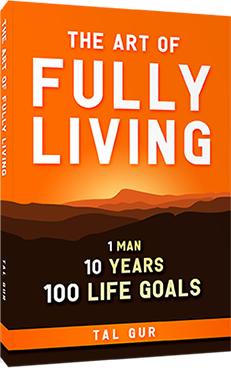
 Tal Gur is an impact-driven creator at heart. After trading his daily grind for a life of his own design, he spent a decade pursuing 100 life goals around the globe. Tal's journey and recent book, The Art of Fully Living, inspired him to found Elevate Society.