The Open-Air Life: Summary Review
What if reconnecting with nature was as simple as opening your front door? In The Open-Air Life, Linda Åkeson McGurk guides us into the Scandinavian art of friluftsliv, showing how embracing the outdoors can enrich every part of our lives. This isn’t just another nature book—it’s a heartfelt invitation to slow down, breathe deeper, and live fully outside.
What is the Book About?
This engaging guide introduces friluftsliv—the Nordic philosophy of open‑air living—as a simple yet powerful antidote to modern stress. McGurk weaves together stories, practical tips, and cultural insights, inviting readers to forage for berries, cook over fire, or simply stand in the snow and feel wholly alive. It’s less about grand adventures and more about everyday rituals: morning walks, mindful observing of birds, or cozying up under a wool blanket at dusk. Those small moments add up, reshaping our connection to nature, ourselves, and our communities.
Far more than a collection of outdoor activities, the book dives into why these rituals matter. It explores how time in fresh air supports mental health—helping to ease anxiety, reduce burnout, and foster resilience. McGurk offers hands‑on guidance, from building a basic fire and filtering water to choosing clothing for seasonal weather. Throughout, she invites readers—whether urban dwellers or wilderness lovers—to bring nature into daily routines, proving that friluftsliv isn’t just a concept, it’s a way of life.
Book Details
Print length: 272 pages
Language: English
Publication date: November 1, 2022
Genre: Nonfiction / Nature & Self‑Help / Outdoor Lifestyle
Book Author
Raised in Sweden and now living in the US, she blends Nordic traditions with modern life to encourage readers to slow down and reconnect with the earth. With her previous bestseller exploring outdoor childhoods, this book highlights her expertise in translating Scandinavian ideas into accessible, everyday practices for global readers.
Core Theme
At its heart, The Open-Air Life champions friluftsliv as a philosophy that values simplicity, presence, and belonging to the natural world. McGurk emphasizes that it’s not about conquering landscapes or preparing elaborate wilderness trips—but about weaving intentional outdoor moments into daily life. From gentle snow walks to fire‑pit dinners, the goal is to cultivate a grounded sense of well‑being that neither demands grandeur nor costs a fortune—a true antidote to the digital overwhelm of our age.
She also presents the science and stories behind this Nordic approach: how exposure to fresh air boosts immunity, lowers stress, and fosters mental clarity. Through reader testimonials and cultural reflections, she paints friluftsliv as a form of mindful practice that nurtures resilience—not just for individuals, but for families and communities. The result is a philosophy that’s as therapeutic as it is practical, encouraging us all to treat time outside as essential, not optional.
Main Lessons
A few impactful summary lessons from The Open-Air Life:
1. Embrace the Outdoors as a Daily Ritual
Friluftsliv, the Nordic philosophy that pulses through the heart of this book, is less about conquering nature and more about weaving it seamlessly into everyday life. It’s not about planning epic wilderness adventures or scaling mountains. Rather, it’s about the intentional decision to step outside every single day—whether it’s a quiet stroll through the woods, a lunch break spent under an open sky, or simply sitting on your porch with a hot drink and listening to the rustle of leaves. The book emphasizes that embracing nature is not reserved for the rugged or the seasoned outdoorsperson; instead, it’s a mindset anyone can adopt, no matter where they live. By making outdoor moments routine instead of rare, we gradually tune ourselves to nature’s rhythm and in doing so, unlock a deeper sense of peace, health, and balance.
2. Nature Connects Us Back to Ourselves
One of the most powerful messages that shines through is how reconnecting with nature often means reconnecting with ourselves. In a world that races forward at breakneck speed—buzzing phones, endless to-do lists, and glowing screens—friluftsliv calls us back to simplicity. Time spent outdoors softens our inner noise. It reminds us of the importance of stillness, curiosity, and mindfulness. The book gently encourages readers to unplug not just from technology, but from the overwhelming mental clutter that often clouds modern life. As readers describe, it’s not just about being outside; it’s about being present. Whether you’re foraging berries, sitting around a campfire, or lying on the grass gazing at clouds, these moments offer rare clarity and self-awareness. Nature, as the author shows, isn’t just a place to visit—it’s a mirror that reflects who we are when we strip away distraction.
3. There Is No Such Thing as Bad Weather
The author’s consistent refrain—also the title of her previous book—rings loud and clear here: weather should never be a barrier to enjoying the outdoors. Rooted in Nordic wisdom, this lesson suggests that with the right mindset and preparation, every season holds its own magic. Rain becomes refreshing. Snow turns into playful powder. The cold transforms into a welcome challenge. Instead of hiding indoors, the book urges readers to meet the elements with curiosity and creativity. Warm layers, good boots, and a sense of adventure can turn even the most blustery day into an opportunity for renewal. This shift in attitude—from dreading the elements to dancing with them—is key to cultivating a lifelong relationship with nature.
4. Make Nature-Based Living Accessible to Everyone
A remarkable strength of the book lies in its inclusive approach. Friluftsliv isn’t just for hikers, backpackers, or those with cabins in the woods. The author makes it clear that the open-air life is available to all—whether you live in a city apartment, a suburban neighborhood, or a rural village. Through actionable advice, the book offers a gentle invitation to take the first step: walk in the park, plant a small herb garden, have dinner on the balcony, or simply breathe fresh air with your morning coffee. There’s no need for expensive gear or dramatic life changes. Instead, the book champions small, sustainable choices that anyone can incorporate into daily life. This welcoming tone helps remove intimidation and opens the door for people of all backgrounds, abilities, and schedules to explore the joys of nature.
5. Rediscover Joy Through Nature’s Elements
One of the book’s most enchanting teachings lies in its focus on the four natural elements—earth, air, fire, and water—as gateways to deeper connection. These aren’t treated as abstract symbols but as tangible, sensory experiences that ground us in the present moment. Earth becomes the trail beneath our feet, the soil in our garden, or the texture of bark on a tree. Air shows up in a cold breeze that invigorates our lungs or the smell of pine carried on the wind. Fire represents the warmth of a campfire or candlelight that draws us into conversation and reflection. Water emerges through lakes, rain, or even the rhythm of a stream. By consciously engaging with these elements, we awaken a primal joy that technology cannot replicate. The book transforms these simple interactions into meaningful rituals—ways to restore our senses and revive our spirits.
6. Use Outdoor Experiences to Build Stronger Relationships
Nature isn’t just a solitary retreat—it’s also a place to deepen bonds with others. Throughout the book, there’s a quiet but powerful message: when we spend time outdoors together, we remember how to be human with one another. Whether it’s cooking campfire meals with family, hiking with friends, or bringing kids along for nature play, shared outdoor experiences create space for connection without distraction. These moments, free from screens and schedules, invite authentic conversation and spontaneous laughter. The open air nurtures presence—something often missing in our digitally saturated lives. For families especially, this can be transformative. Parents reconnect with their children not through forced conversations, but through adventure, play, and shared discovery under the sky. The book encourages readers to see nature not only as a personal refuge but as a communal space that helps strengthen emotional bonds.
7. Start Small and Let Curiosity Lead the Way
For those who feel intimidated by the idea of becoming “outdoorsy,” this book provides a welcome antidote. There’s no pressure to suddenly summit mountains or take on strenuous hikes. Instead, it’s all about starting small—perhaps with a walk around the block, a picnic in the backyard, or learning to build a fire. The book is filled with gentle encouragement, showing that even brief, humble encounters with the natural world can have profound impacts. It champions curiosity over perfection. Maybe you don’t know the name of every plant or how to pitch a tent. That’s okay. The key is to begin—step outside, take in your surroundings, and allow nature to become your teacher. By lowering the barrier to entry, the author makes the open-air life feel achievable, joyful, and rewarding no matter your starting point.
8. Let Nature Be Your Antidote to Modern Stress
In a culture driven by productivity and noise, “The Open-Air Life” offers a soft but resolute rebellion. Instead of escaping stress through screens or shopping, the book invites us to recalibrate through nature. The outdoors doesn’t demand performance. It asks only that we show up. That we listen to birdsong instead of email pings. That we feel the sun on our face instead of the glow of a screen. In this way, nature becomes not just a backdrop but a balm—a free, ever-available source of healing. The book shares how the open-air lifestyle reduces anxiety, enhances focus, boosts creativity, and supports physical well-being. It’s not about retreating from life, but returning to what’s essential. By stepping outside, we don’t run away from responsibilities; we equip ourselves with the clarity and calm needed to face them.
Key Takeaways
Key summary takeaways from the book:
- Friluftsliv is about everyday outdoor living—no pressure, no performance.
- Fresh air and natural rhythms are vital for combating stress and improving mental health.
- Simple skills—fire‑building, cooking al fresco, outdoor layering—build confidence and comfort.
- Mental resilience grows when we pause, observe, and connect with changing seasons.
- Bringing nature into family routines strengthens relationships and creates lasting rituals.
Book Strengths
This book shines in its ability to combine heartfelt storytelling with practical tips—each chapter is full of vivid anecdotes, Scandinavian cultural insight, and accessible how‑tos. Readers appreciate its warm tone, inviting illustrations, and emphasis on small, doable changes. The mix of personal narrative and science-backed benefits creates a compelling, trustworthy guide that feels both aspirational and achievable.
Who This Book Is For
This is the perfect read for anyone feeling overwhelmed by screens, schedules, or stress, yet still eager for simple, enriching ways to reconnect with nature. Whether you live in a city apartment or a rural cabin, and whether you’re a nature newbie or seasoned hiker, this book resonates. It’s especially ideal for outdoor-curious families, mindful seekers, and anyone who suspects that a bit more fresh air could change the course of their day.
Why Should You Read This Book?
If you’ve ever wondered how to meaningfully escape the grind without big commitments or fancy gear, The Open-Air Life offers the answer. It inspires gently yet persuasively—encouraging you to step outside, notice the breeze, and let nature show its healing power. You’re not just buying another lifestyle book; you’re accepting an invitation to a richer, more grounded life, one breath and one walk at a time.
Concluding Thoughts.
The Open-Air Life is more than a guide; it’s an invitation to become part of a timeless Nordic tradition that honors simplicity, presence, and purpose through daily nature connection. Through warm prose, practical guidance, and real-life stories, Linda Åkeson McGurk manages to make outdoor living feel not distant or daunting—but utterly relatable and deeply nourishing.
Whether you’re reading this wrapped in a blanket on the couch or planning a midnight walk under moonlight, this book will leave you feeling inspired to reclaim nature as part of your everyday rhythm. It’s a gentle nudge, a mindful companion, and a hopeful reminder: the open-air life is waiting—right outside your door.
→ Get the book on Amazon or discover more via the author’s website.
* The publisher and editor of this summary review made every effort to maintain information accuracy, including any published quotes, lessons, takeaways, or summary notes.
Chief Editor
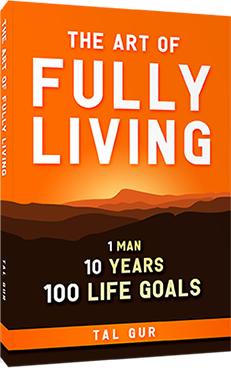
 Tal Gur is an impact-driven creator at heart. After trading his daily grind for a life of his own design, he spent a decade pursuing 100 life goals around the globe. Tal's journey and recent book, The Art of Fully Living, inspired him to found Elevate Society.